- Home
- Retirement Homes
Retirement Homes: A Complete Guide to Comfortable, Secure Senior Living
Experience comfort, connection, and compassionate care—right at home.
As people live longer and healthier lives, retirement housing has evolved far beyond traditional expectations. Today, retirement homes offer a wide range of living options designed to support comfort, independence, safety, and quality of life. Whether you are planning for your own future or helping a loved one explore housing choices, understanding retirement homes is an essential part of retirement planning.
At Retirement Ease Guide, our mission is to help retirees and families make informed, confident decisions. This comprehensive guide explains what retirement homes are, the different types available, how much they cost, what services they provide, and how to choose the right option for your needs.

Plan Smarter — Connect with a Financial Advisor
Get personalized guidance from a Trusted financial advisor who understands retirement tax rules, withdrawal sequencing, and Social Security strategy.
What Are Retirement Homes?
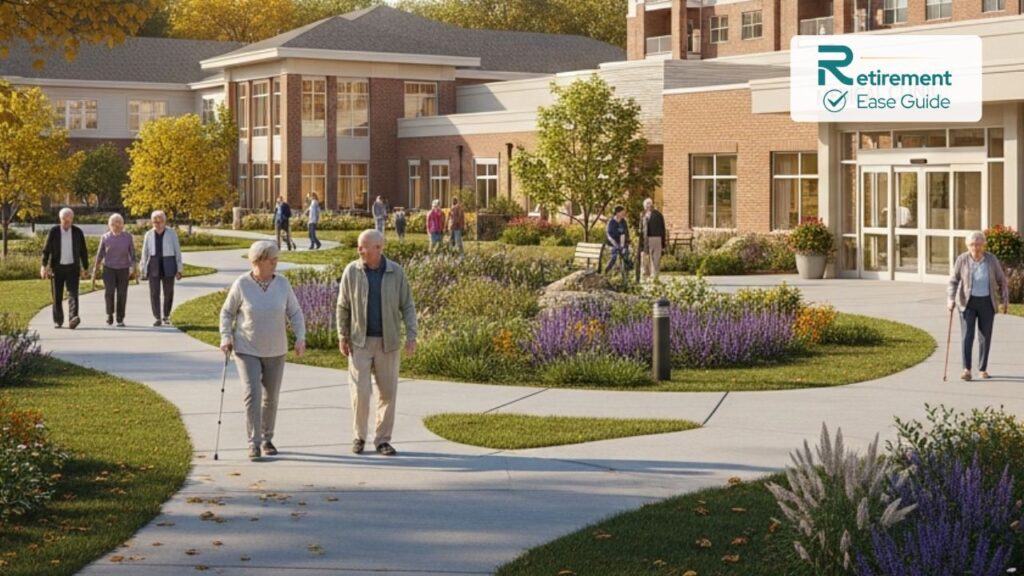
Retirement homes are residential communities designed specifically for older adults, typically aged 55 and over. These communities provide housing combined with services, amenities, and varying levels of care depending on residents’ needs.
Unlike traditional housing, retirement homes focus on:
- Safety and accessibility
- Maintenance-free living
- Social connection and activities
- Access to support or healthcare services
- Peace of mind for residents and families
Retirement homes can range from fully independent living environments to communities offering comprehensive medical and personal care.
Why Choose a Retirement Home?
Many retirees choose retirement homes to simplify their lives while maintaining independence and dignity.
Connect — Quick Request
Choose a request type and submit a short form. We’ll match you with a trusted partner within 48 hours.

Key Benefits of Retirement Homes
- No home maintenance or yard work
- Built-in social opportunities and activities
- Safer living environments designed for seniors
- Access to meals, transportation, and services
- Support available as needs change
For many people, retirement homes provide the right balance between independence and support.
Types of Retirement Homes
Understanding the different types of retirement homes is critical to choosing the right fit.
Independent Living Retirement Homes
Independent living retirement homes are designed for active, self-sufficient seniors who want to enjoy a maintenance-free lifestyle. Residents live in private apartments, cottages, or villas and enjoy access to shared amenities and services.
Typical Features
- Private residences
- Dining options or meal plans
- Social activities and events
- Fitness centers and common areas
- Housekeeping and maintenance services
Independent living retirement homes are ideal for seniors who do not need daily assistance but want convenience and community.
Assisted Living Retirement Homes
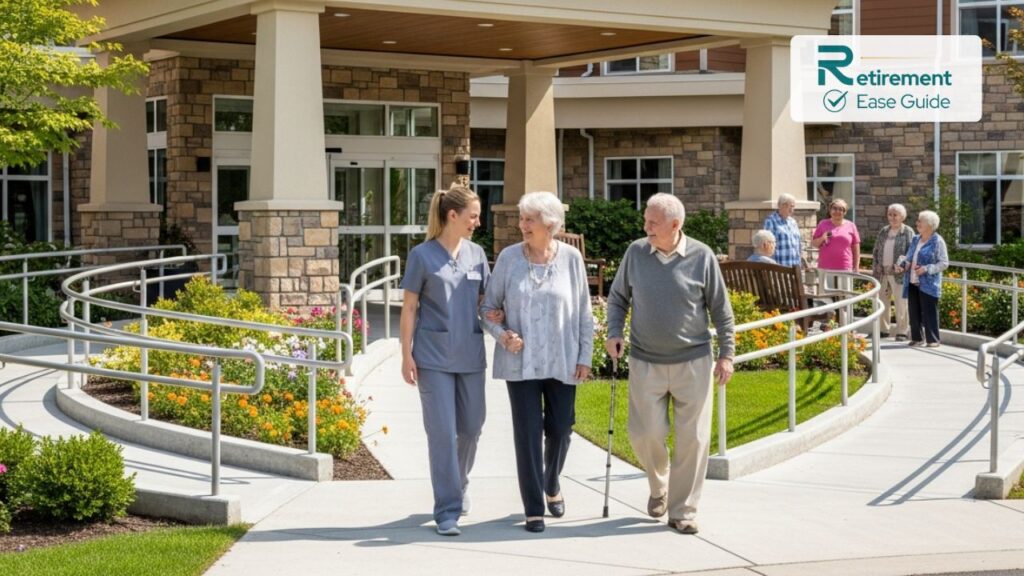
Assisted living retirement homes provide personal care support while encouraging as much independence as possible. These communities are well-suited for seniors who need help with daily activities.
Services Often Include
- Assistance with bathing and dressing
- Medication management
- Meals and housekeeping
- Transportation services
- 24/7 staff availability
Assisted living offers reassurance for both residents and families while maintaining a residential, non-medical environment.
Looking for Perfect Community According to Your Needs?
Find the right community for your lifestyle—nationwide. Compare amenities, pricing, and neighborhood features across top-rated communities.
Continuing Care Retirement Homes (CCRCs)
Continuing Care Retirement Communities, also known as CCRCs, provide multiple levels of care in one location, including independent living, assisted living, and skilled nursing care.
Why Choose a CCRC?
- Ability to age in place
- Seamless transitions as care needs change
- Long-term planning and stability
- Familiar surroundings and staff
CCRCs are ideal for retirees who want future security and continuity without relocating later in life.
Memory Care Retirement Homes
Memory care retirement homes are specialized communities designed for individuals living with Alzheimer’s disease or other forms of dementia.
Key Characteristics
- Secure environments to prevent wandering
- Staff trained in dementia care
- Structured daily routines
- Therapeutic activities for cognitive engagement
These communities focus on safety, comfort, and quality of life while supporting families through challenging transitions.
What Services Do Retirement Homes Offer?
Services vary by type of retirement home, but many communities offer a combination of the following:
- Dining and nutrition services
- Housekeeping and laundry
- Transportation
- Wellness and fitness programs
- Social, recreational, and educational activities
- On-site or nearby healthcare access
Understanding which services are included—and which cost extra—is essential when comparing retirement homes.

Cost of Retirement Homes
The cost of retirement homes depends on location, level of care, and services provided.
Common Pricing Structures
- Monthly rental fees
- Entrance or buy-in fees (often for CCRCs)
- Additional charges for care services
- Tiered pricing based on care level
While retirement homes can be more expensive than traditional housing, they often replace multiple separate expenses such as utilities, maintenance, food, and transportation.
How to Choose the Right Retirement Home?
Choosing a retirement home is a significant life decision that deserves careful thought and planning. The right choice can enhance comfort, independence, and overall quality of life, while the wrong one can lead to unnecessary stress and dissatisfaction. Taking the time to evaluate your needs, preferences, and long-term goals will help ensure that the retirement home you choose supports both your current lifestyle and future well-being.

Need Medicare or Health Insurance Support?
Compare Medicare options, supplemental coverage, and long-term care insurance with trusted specialists. Get clear answers based on your health needs. Secure and confidential. ✓ Compare plans • ✓ Check benefits • ✓ Lower your premiums
Important Factors to Evaluate
When comparing retirement homes, it is essential to look beyond appearances and consider practical details that affect daily living, safety, and long-term stability.
Availability and Pricing
Start by reviewing current availability and understanding the full pricing structure of each retirement home. Ask about monthly fees, entrance or community fees, contract terms, and what services are included in the base price. Some retirement homes offer move-in incentives or promotional pricing, which can be helpful, but it is equally important to understand how costs may increase over time. Clear pricing transparency allows you to plan confidently and avoid unexpected financial strain in the future.
Amenities and Lifestyle
Amenities play a key role in day-to-day satisfaction. Look for retirement homes that offer amenities aligned with your interests and lifestyle, such as fitness centers, swimming pools, walking trails, social clubs, on-site dining, wellness programs, and recreational activities. Communities that provide a variety of lifestyle options make it easier to stay active, socially connected, and engaged, which contributes to both physical health and emotional well-being.
Healthcare Access
Even if you are currently healthy and independent, access to healthcare should be a priority when choosing a retirement home. Consider how close the community is to hospitals, medical specialists, urgent care centers, and emergency services. Some retirement homes offer on-site healthcare clinics, visiting physicians, or partnerships with local providers. Having reliable healthcare access nearby provides peace of mind and ensures that medical needs can be addressed quickly if they arise.
Safety and Community Environment
A safe and comfortable environment is essential for long-term peace of mind. Evaluate the retirement home’s security features, such as controlled access, emergency call systems, security staff, and well-lit common areas. Walkability, well-maintained pathways, and accessibility features also contribute to safety and independence. In addition, consider the surrounding neighborhood and overall community environment to ensure it feels secure and welcoming.
Connect with an Advisor
Fill a short form and our trusted advisors will match you with communities and financing options that fit your goals.

When Is the Right Time to Move Into a Retirement Home?
There is no single “right” time, but many retirees choose to move earlier rather than waiting for a health crisis.
Benefits of Moving Earlier
- Easier adjustment
- More time to enjoy amenities
- Stronger social connections
- Reduced stress for family members
Planning ahead allows retirees to move on their own terms.
Why Trust Retirement Ease Guide
At Retirement Ease Guide, we provide unbiased, educational information to help retirees and families navigate complex decisions. Our goal is clarity—not pressure.
We help you:
- Understand your options
- Compare retirement homes confidently
- Plan for both current and future needs
- Avoid costly mistakes
Conclusion: Are Retirement Homes Right for You?
Retirement homes offer a practical and supportive solution for seniors seeking comfort, safety, and community. With options ranging from independent living to comprehensive care, there is a retirement home suited to nearly every lifestyle and stage of life.
By understanding the different types of retirement homes, evaluating costs and services, and choosing a community that aligns with your goals, you can create a retirement lifestyle that feels secure, engaging, and fulfilling.
At Retirement Ease Guide, we are here to help you make retirement decisions with confidence—because where you live matters just as much as how you live.
Retirement Ease Guide’s Quick Tools
Our free interactive tools help you calculate income, savings targets, and compare living costs.
Retirement Income Estimator
Project income from savings, pensions & Social Security.
Savings Goal Calculator
Plan how much to save monthly to reach your goals.
Cost of Living Comparison
Evaluate differences between Texas cities and other states.
Withdrawal Planner
Create a sustainable withdrawal strategy for long-term comfort.
Frequently Asked Question
Are retirement homes the same as nursing homes?
No. Nursing homes provide medical care, while retirement homes focus on residential living and varying levels of support.
Do retirement homes allow pets?
Many do, but policies vary by community.
Can couples live together if they need different levels of care?
Yes. Many retirement homes, especially CCRCs, accommodate couples with differing needs.
Are retirement homes regulated?
Yes. Regulations vary by state and by level of care.
Can residents leave and travel freely?
In most independent and assisted living retirement homes, residents are free to come and go.
Get Personalized Retirement Guidance
Have questions about retirement planning or communities? Fill out the form below and our team will connect you with the right resources.
 We respect your privacy. Your information will only be used to respond to your inquiry and connect you with trusted partners if requested.